Made with all the love and care by Suhwoo © 2025

Integrating Digital Feedback
to Drive Engagement
Sep 2025 - Now
Designing intuitive, responsive systems that encourage collaborative play and promote computational thinking skills.
Lab Detail
UX Research
Tangible Design
EdTech
Other Projects
The Critical Challenge

Traditional metrics like GPA failed to capture the student's full potential, soft skills, and creative problem-solving abilities.
Metrics Gap
Users were interacting in a dynamic, open community environment, making it difficult to track standard engagement metrics.
Physical Space

Create a non-traditional assessment method that measures learning and emotional growth through physical play.
Holistic Measurement

Traditional standardized testing fails to capture soft skills like persistence or debugging. Our challenge was to move beyond binary "correct/incorrect" metrics and design a system capable of quantifying abstract learning behaviors within a chaotic, open-ended physical environment.
Impact Metrics
3 Modalities Fused – Motion, Audio, Log Data
30 Connected Devices – "Stuffies" and sensors deployed to be used for the whole class simultaneously
2 Core Activities – Designed "Music Stations" and "Discover the Rainbow" to target specific CT skills.
1.
2.
3.
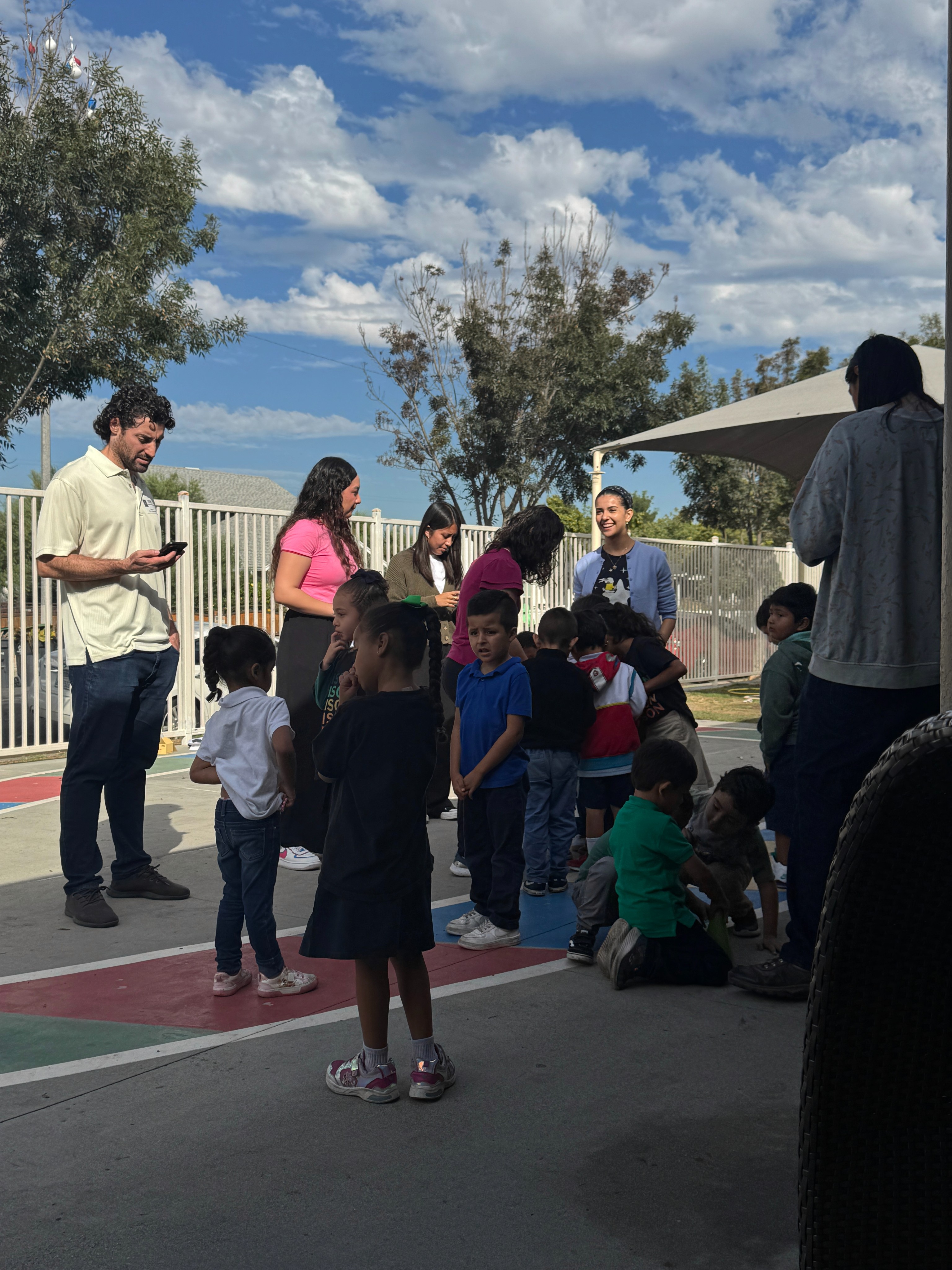
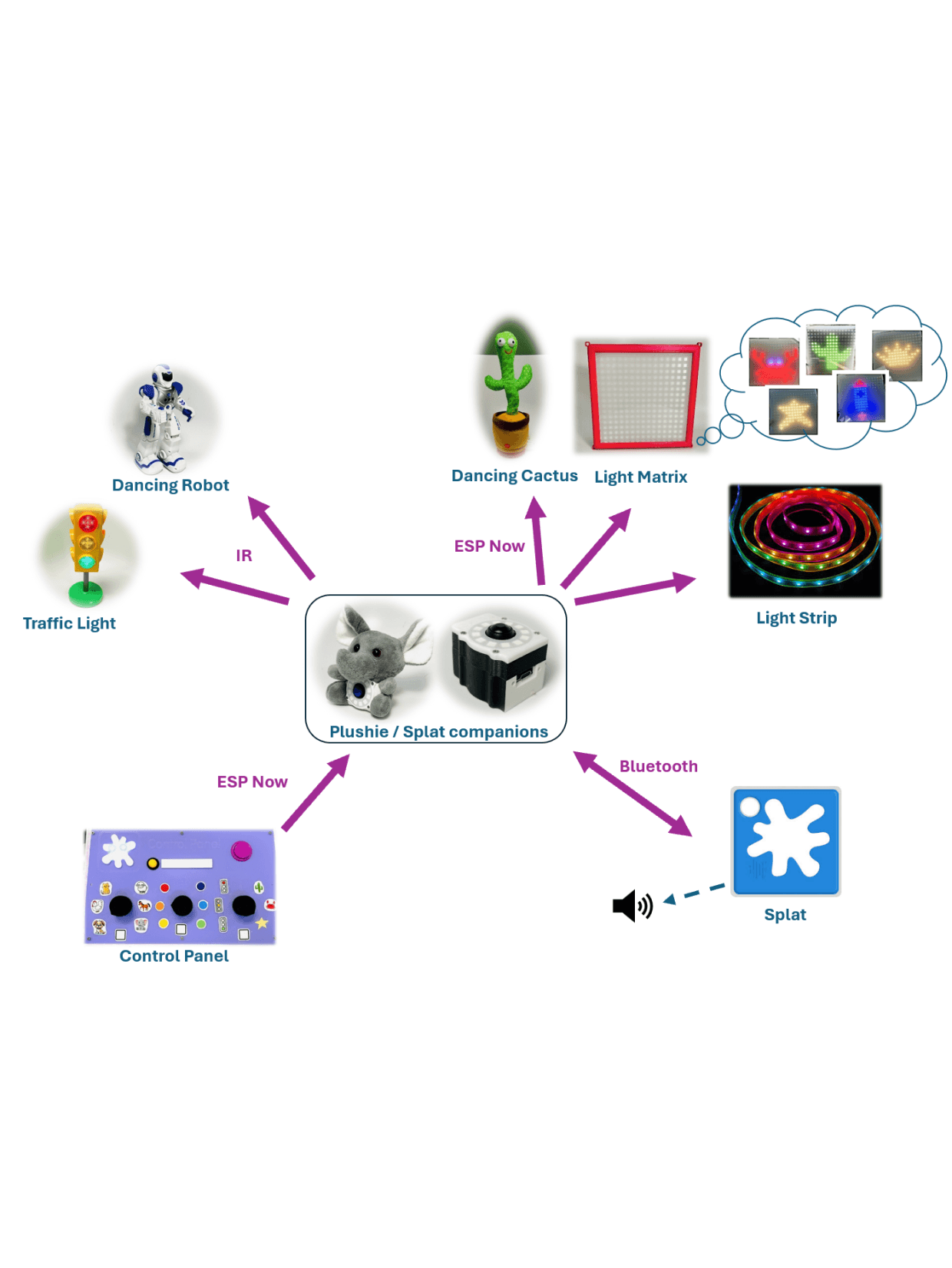
To capture a holistic view of student learning, we deployed a multi-modal sensor network capable of tracking an entire classroom simultaneously, fusing physical movement with digital feedback.
How We Solved It
Phase 1: Teacher Co-Design
Phase 2: Activity Architecture
Phase 3: Defining Derived Metrics
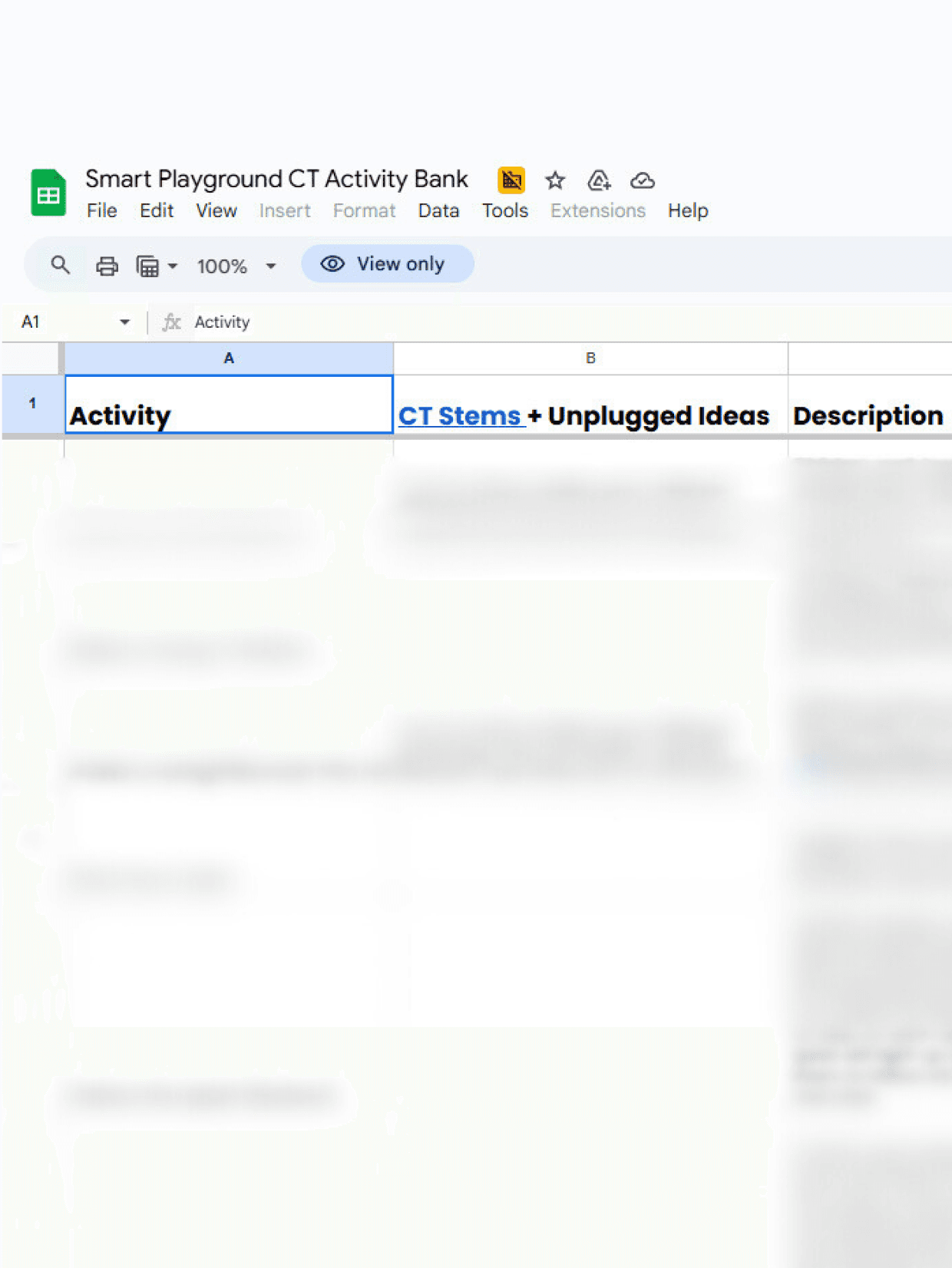
We partnered with educators to translate "computer science lingo" into "teacher lingo.” Through iterative co-design sessions, we used their expertise to scaffold lesson plans that bridged the gap between abstract technical goals and the reality of a 5-year-old's classroom experience.
We designed the "Music Stations" game to teach decomposition and sequencing. Children must form specific group sizes to "unlock" instruments. This required students to coordinate physically, reinforcing that "order matters" through body movement rather than code.
We moved beyond simple activity counts. We defined "Collaborative Interaction Rate" by tracking proximity between peers and "Verbal Uptake" by analyzing if a child's behavior changed after a verbal hint. This allowed us to quantify "Persistence,” measuring the sustained effort and trial-and-error process leading to success.
Solution: The Smart Playground
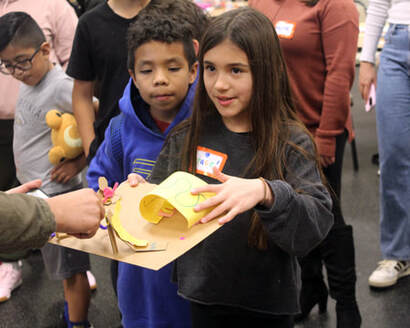
- Christine Byrd, “With NSF-funded Smart Playgrounds, UCI Researchers Take Computer Science Beyond Screens”
Funded by the NSF, this project transforms static playground equipment into programmable interfaces, allowing children to "code" their environment through play. By co-designing with local families to incorporate their "funds of knowledge," we ensure the technology is not just functional, but culturally sustaining.
Learnings & Impact
Secured a $3M National Science Foundation Grant to bring CS concept out of the screen and into physical spaces.
Project Scale

Retrofitting playgrounds to serve over 500 kindergarteners across Santa Ana and Anaheim school districts.
User Impact

Orchestrated a network of 30 connected "stuffie" devices to support collaborative play for a full classroom simultaneously.
Technical Complexity

Synchronized 3 distinct data streams (motion, audio, and logs) to measure abstract behaviors like persistence.
Analytical Depth

This project proved that effective EdTech requires more than just hardware; it requires alignment. We learned that the physical design of a space directly dictates the quality of the data we collect, and that technology must serve as a feedback loop for teachers, not just a tracker for students.